

CNIR Research
We study the basic molecular mechanisms that lead to neurodegeneration in many different nervous system disorders and the fundamental mechanisms that support development and recovery of function. We expect that these fundamental mechanisms will be common to multiple disorders and thus important to understand to reduce neurodegeneration and/or to enhance recovery. Our goal is to develop new therapies to aid in recovery from neural Injury.
Want to learn more about the impact of our research? Read and hear about one CNIR researcher, Dr. Jeff Huang’s work on MS treatment.
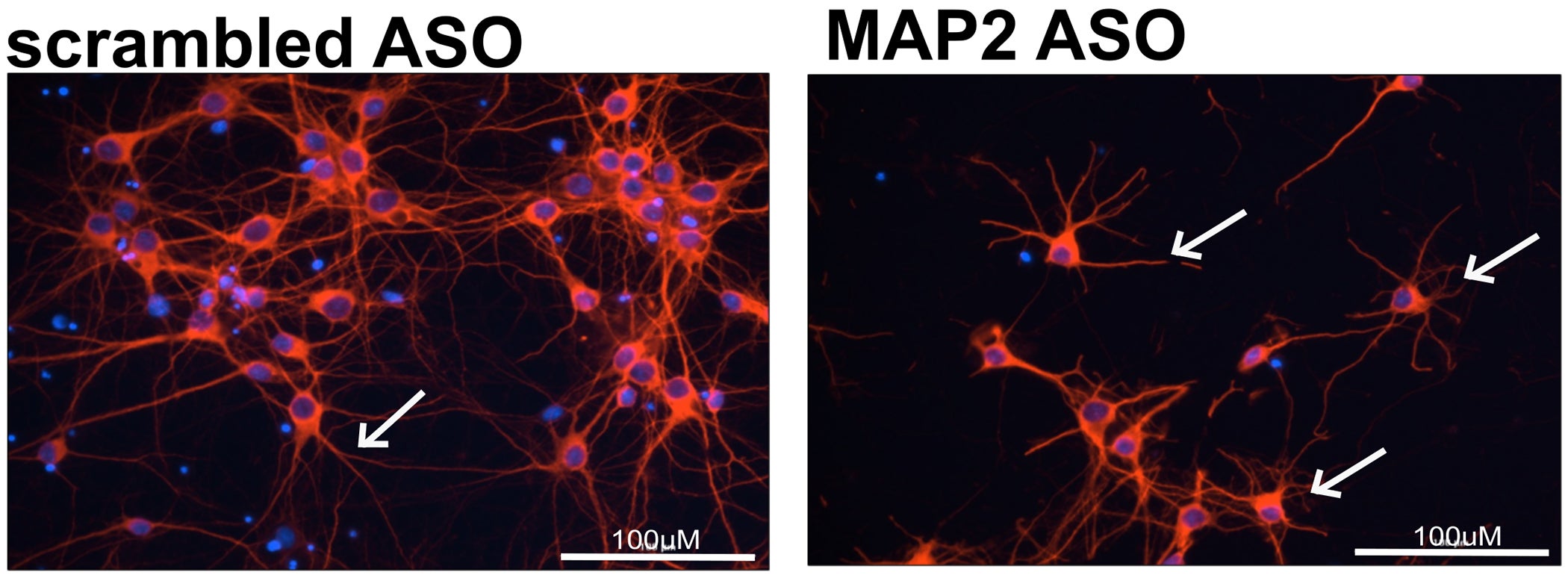
Research on HIV-associated Neurocognitive Disorder
Exploring the potential role of microtubule associated proteins-2 in the pathogenesis of HIV associated neurocognitive disorders
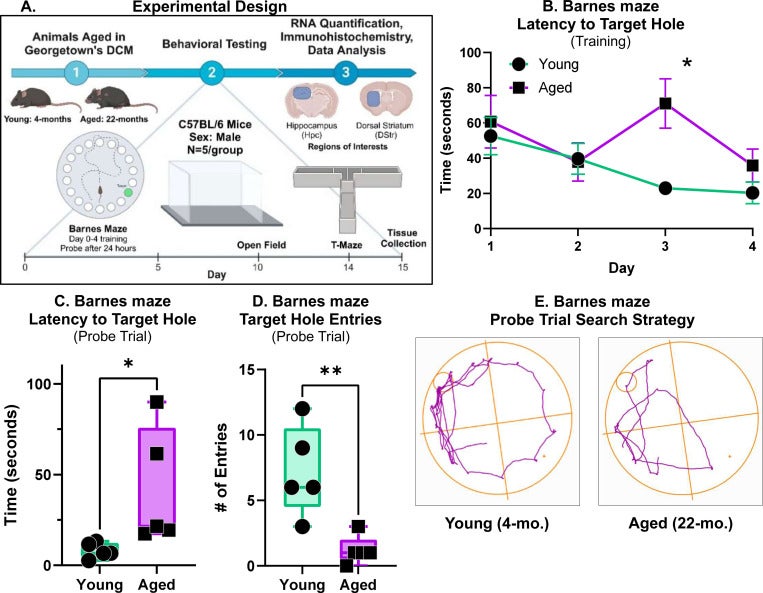
Research on Aging & Neurodegeneration
Age-related inflammatory changes and perineuronal net dynamics: implications for aging
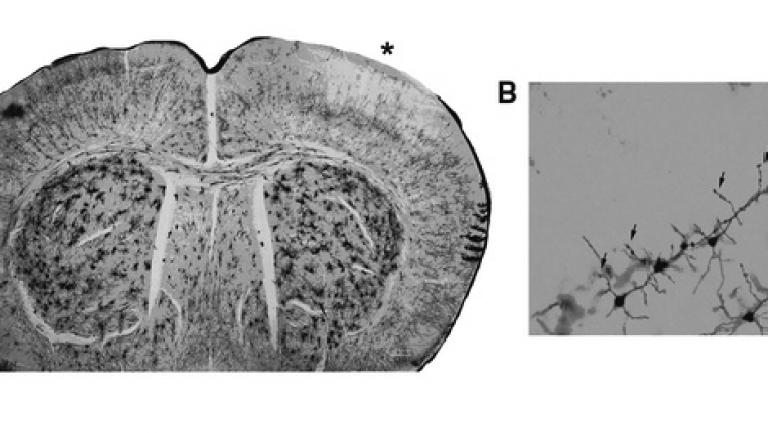
Research on Traumatic Brain Injury (TBI)
High-frequency head impact causes chronic synaptic adaptation and long-term cognitive impairment in mice
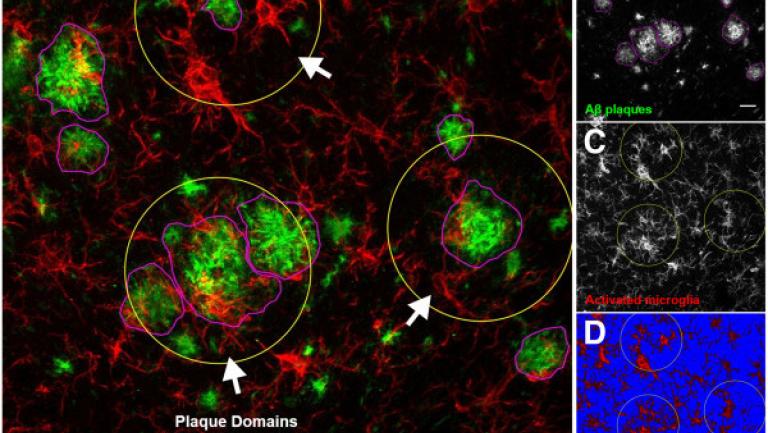
Research On Alzheimer’s Disease
APOE4 genotype and aging impair injury-induced microglial behavior in brain slices, including toward Aβ, through P2RY12
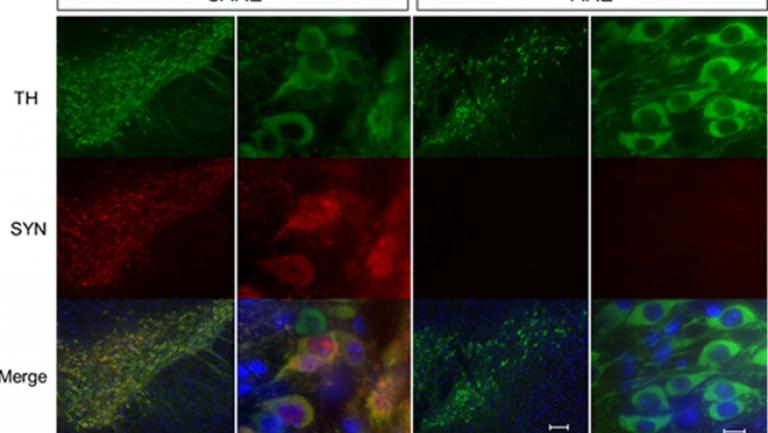
Research on Parkinson’s Disease
Muscarinic Receptor Activation Preferentially Inhibits Rebound in Vulnerable Dopaminergic Neurons
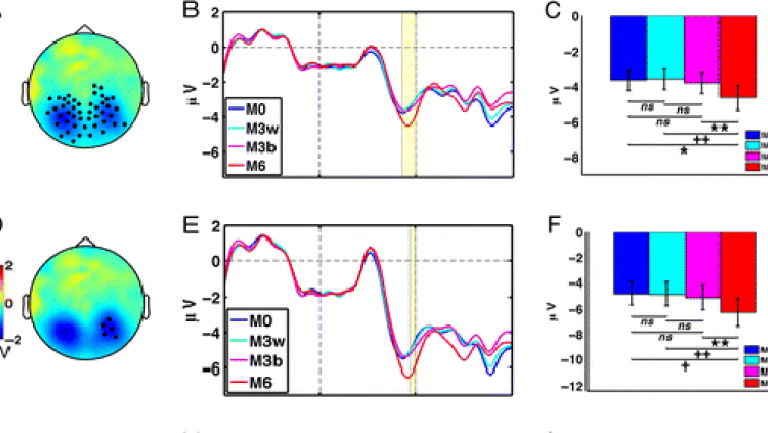
Research on Human Cognitive Mechanisms
Time Course of Shape and Category Selectivity Revealed by EEG Rapid Adaptation